
Choosing the Perfect Foundation for Your 2026 Home Renovation
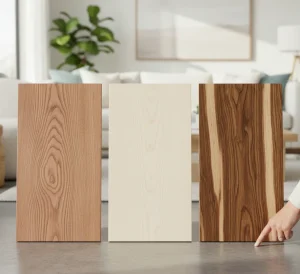
When you decide to upgrade your home with natural wood surfaces, you are doing more than just picking a color, you are selecting a biological material that will interact with your daily life for decades. In 2026, homeowners in South Carolina are looking for more than just aesthetics, they want durability that can withstand coastal humidity and the wear of active households.
The species of wood you choose dictates everything from how well the floor resists scratches to how it handles the shifting climate of the Grand Strand. While there are dozens of exotic and domestic options available, three heavyweights dominate the market: Oak, Maple, and Hickory.
Understanding the cellular density, grain patterns, and light reflectivity of these species is the first step toward a successful installation. Whether you are integrating new floors into a master bathroom remodel or refreshing an open-concept living area, the choice of timber is the most critical decision you will make.
The Technical Science of Wood Hardness: The Janka Scale
Before we dive into specific species, we must understand how professionals measure the strength of hardwood planks. The industry standard is the Janka Hardness Test, which measures the force required to embed a small steel ball halfway into a sample of wood.
This rating is essential for predicting how your floor will react to heavy furniture, high heels, or a golden retriever’s claws. A higher number indicates a denser wood that is more resistant to denting, though it does not necessarily mean the wood is easier to work with during installation.
Comparing Popular Hardwood Species by Density
In the current 2026 market, these ratings help us categorize wood types for different rooms in the home. A soft wood might be fine for a guest bedroom, but a high-traffic kitchen requires the structural integrity of a denser species.
| Wood Species | Janka Hardness Rating (lbs) | Best Use Case |
| Hickory | 1,820 | High-traffic areas, pets, active kids |
| Hard Maple | 1,450 | Modern aesthetics, gym floors, kitchens |
| White Oak | 1,360 | Coastal homes, moisture-prone areas |
| Red Oak | 1,290 | Traditional homes, easy staining |
| American Cherry | 950 | Low-traffic areas, formal dining rooms |
Oak Hardwood Flooring: The Industry Gold Standard
Oak remains the most popular choice for residential flooring in North America, and for good reason. It offers a perfect balance between durability, cost-effectiveness, and aesthetic flexibility. When we talk about Oak, we are actually discussing two distinct sub-species: Red Oak and White Oak.
Both species are renowned for their strong grain patterns, which are excellent at hiding minor scratches and everyday wear. This makes Oak a forgiving choice for families who want the luxury of wood without the stress of maintaining a perfect surface.
Red Oak: Warmth and Traditional Charm
Red Oak is characterized by its reddish-pink undertones and its porous nature. Because it is highly absorbent, it takes stains exceptionally well, allowing you to achieve almost any color from a light honey to a deep espresso.
Its grain is often described as “wild” or “busy,” which adds a rustic, organic feel to a room. In a traditional home design, Red Oak provides a sense of warmth and history that is hard to replicate with synthetic materials.
White Oak: The Modern Designer’s Favorite in 2026
White Oak has seen a massive surge in popularity for 2026 projects. Unlike its red cousin, White Oak has more neutral, olive-colored undertones. Its grain is smoother and more linear, fitting perfectly into minimalist and Scandinavian designs.
From a technical standpoint, White Oak is slightly harder and much more water-resistant than Red Oak. Its pores are filled with tyloses, a structural feature that makes the wood almost impervious to rot, which is why it was historically used for ship-building and wine barrels.
Why White Oak Excels in Coastal South Carolina
For our clients in Myrtle Beach or Murrells Inlet, White Oak is often the preferred choice. The high humidity levels of the coast can be brutal on wood, but the dense, closed-cell structure of White Oak provides superior dimensional stability.
Maple Hardwood Flooring: Strength Meets Subtlety
If you prefer a clean, consistent look with minimal visual noise, Hard Maple is your ideal candidate. Maple is one of the hardest domestic woods available, surpassing both types of Oak on the Janka scale.
Because of its extreme density, Maple is the standard for basketball courts and bowling alleys. In a home setting, this means it is incredibly difficult to dent, making it a favorite for modern kitchens where heavy pots might accidentally fall.
The Aesthetic Signature of Maple
Maple is known for its pale, creamy color and very light graining. Unlike Oak, which has deep ridges and visible pores, Maple has a smooth, almost velvety texture once finished.
It reflects light beautifully, which can make smaller rooms feel much larger and more airy. If your design goal is a “bright and white” interior, Maple provides the perfect canvas without the distracting patterns of other hardwoods.
Challenges with Staining Maple Planks
Because Maple is so dense and its pores are so tight, it does not absorb stain as easily as Oak. This can lead to “blotching,” where some areas of the wood take more color than others.
In 2026, most homeowners choose to leave Maple in its natural state or use a very light, clear finish to protect the wood while showcasing its innate brightness. If you want a very dark floor, we usually recommend Oak or Hickory instead.
Hickory Hardwood Flooring: The Ultimate Performance Timber

For the absolute maximum in durability, Hickory is the king of domestic hardwoods. With a Janka rating of 1,820, it is nearly 30% harder than White Oak. This is a wood built for the “busy home” lifestyle.
Hickory is not just hard, it is also incredibly stiff and shock-resistant. This is why it was the primary material for axe handles and wagon wheels. In your living room, this translated to a floor that can handle the chaos of large pets and growing families without flinching.
The Dramatic Personality of Hickory
Hickory is famous for its high contrast. A single plank can feature colors ranging from creamy white to dark cocoa brown. This creates a “calico” effect that is striking and full of character.
Because of this intense natural variation, Hickory is a statement floor. It works exceptionally well in farmhouse-style homes or large, open spaces where the floor can serve as a primary design element.
Dimensional Stability and Installation
The density of Hickory comes with a trade-off. It is more prone to expansion and contraction than Oak. This means that proper acclimation is non-negotiable.
The wood must sit in your home for several days to adjust to the local moisture levels before our team begins the installation. However, once properly installed and finished, a Hickory floor is virtually indestructible under normal residential use.
Species Selection for Bathroom Remodeling: Is Wood Viable?
One of the most frequent questions we receive at C&S Home Works is whether hardwood can be used in a bathroom renovation. While tile is the traditional king of wet areas, the desire for a warm wood aesthetic in the master bath is a major trend in 2026.
If you must have real wood in the bathroom, species choice is paramount. White Oak is the only domestic species we recommend for these environments due to its natural water-repellent properties.
The Role of Engineered Construction in Bathrooms
Even with the right species, we always advise using an engineered wood construction rather than solid planks for bathrooms. Engineered wood uses a multi-layer core that prevents the planks from warping when exposed to steam and splashes.
By combining the natural resilience of White Oak with an engineered core, you can achieve the “spa-like” warmth of wood while maintaining the structural integrity of your bathroom remodel.
Comparing Maintenance Needs Across Species
Regardless of which wood you choose, regular maintenance is the key to longevity. However, some species are easier to live with on a daily basis than others.
Oak is the easiest to maintain because its heavy grain hides dust and small debris. Hickory is also excellent for active homes because its busy pattern camouflages wear and tear. Maple, due to its smooth surface and light color, tends to show crumbs and pet hair more easily, requiring more frequent sweeping.
Refinishing Potential and Long-Term Value
All three of these species are “true” hardwoods, meaning they can be sanded and refinished multiple times. If you decide to change your home’s color palette in ten years, a professional can sand away the old finish and apply a new stain, making your floors look brand new.
This ability to renew the surface is why hardwood flooring adds more resale value to a property than carpet or laminate. It is a one-time purchase that lasts for generations.
Environmental Impact and Sustainability in 2026
In today’s market, the “where” and “how” of your wood sourcing matter. Oak, Maple, and Hickory are all native to North America, making them a more sustainable choice than exotic woods imported from overseas.
Buying domestic timber reduces the carbon footprint associated with transportation and ensures that the wood was harvested under strict environmental regulations. At C&S Home Works, we prioritize suppliers who use FSC-certified (Forest Stewardship Council) practices to protect our natural resources.
Which Species is Right for You?
To make the final decision, you should ask yourself a few key questions about your lifestyle and design preferences:
Do you have large dogs or high foot traffic? Hickory is your best bet for pure toughness.
Do you want a modern, light, and airy feel? Hard Maple or White Oak will provide that clean aesthetic.
Do you want the flexibility to change your stain color later? Red or White Oak are the most versatile for staining.
Are you worried about humidity and moisture? White Oak offers the best natural protection.
Why Professional Selection and Installation Matter
Choosing the right species is only half the battle, the quality of the installation determines the floor’s lifespan. Factors like subfloor preparation, moisture barriers, and the choice of finish (polyurethane vs. oil) all play a role in how the wood performs.
Our team at C&S Home Works brings years of specialized experience in both flooring and full-scale remodeling. we don’t just “lay boards,” we analyze the environment of your home to ensure the timber you choose is perfectly suited for its intended space.
Main Service Areas for C&S Home Works Hardwood Flooring:
Start Your Flooring Transformation Today
Your home deserves a foundation that is as beautiful as it is durable. Whether you are leaning toward the timeless appeal of White Oak, the sleek strength of Maple, or the rugged character of Hickory, we are here to help you make the right choice for your 2026 project.
Ready to see samples in your own lighting? Contact us today to discuss your vision and receive a personalized estimate for your renovation.
Reach out to our expert team at (843) 920-3255 or visit our Contact Page to take the first step toward your dream home. We are proud to serve the entire Grand Strand area with unmatched craftsmanship and local expertise.